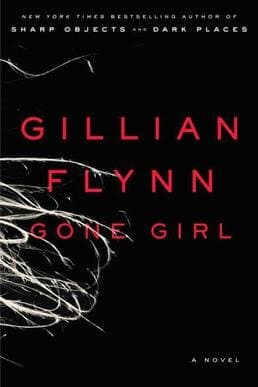
Gone Girl
Gillian Flynn · 2012
Books from independent sellers worldwide

See something off? The librarian reads these on Sundays. Wrong cover, wrong details, a duplicate of another entry — let us know and we’ll sort it.
Author file · 06900
1971–
On Gillian Flynn
A brief life
Gillian Flynn was born in 1971 in Kansas City, Missouri, and raised in a household of professors. She pursued a career in journalism, working for Entertainment Weekly for over a decade before transitioning to full-time fiction writing. Her upbringing in the American Midwest and her professional experience in the media industry heavily inform the psychological landscape of her novels.
On the page
Flynn is best known for her dark, subversively plotted thrillers, including Sharp Objects, Dark Places, and her breakout success, Gone Girl. Her work is characterized by unreliable narrators, toxic domestic dynamics, and a cynical examination of gender roles and media obsession. She frequently employs a dual-timeline structure to peel back the layers of trauma and deception within her protagonists.
In their time
Her debut, Sharp Objects, earned critical acclaim for its visceral intensity and was shortlisted for the CWA New Blood Dagger. Gone Girl became a global cultural phenomenon, sparking intense debate regarding its portrayal of female villainy and the nature of marriage. While some critics found her bleak worldview unsettling, her work was widely recognized for its technical precision and narrative grip.
The afterlife
Flynn is credited with popularizing the 'domestic noir' subgenre, influencing a generation of writers to explore the darker, more manipulative sides of suburban life. Her novels have been adapted into highly successful films and television series, cementing her status as a master of the modern suspense thriller. Her influence persists in the current literary trend of the 'unlikable' female protagonist.
Works in the catalogue · 1 entered
Gillian Flynn · 2012
1 copy on offer
Preoccupied with