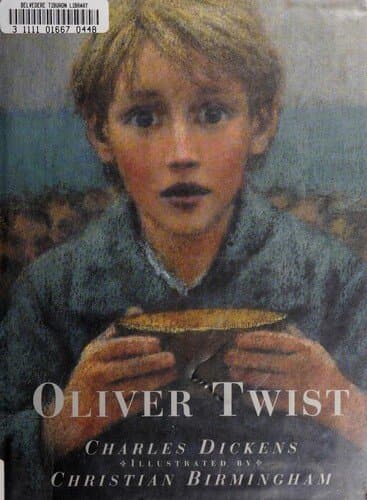
Oliver Twist
Charles Dickens · 1996
Books from independent sellers worldwide
See something off? The librarian reads these on Sundays. Wrong cover, wrong details, a duplicate of another entry — let us know and we’ll sort it.
Author file · 00553
1812–1870
On Charles Dickens
A brief life
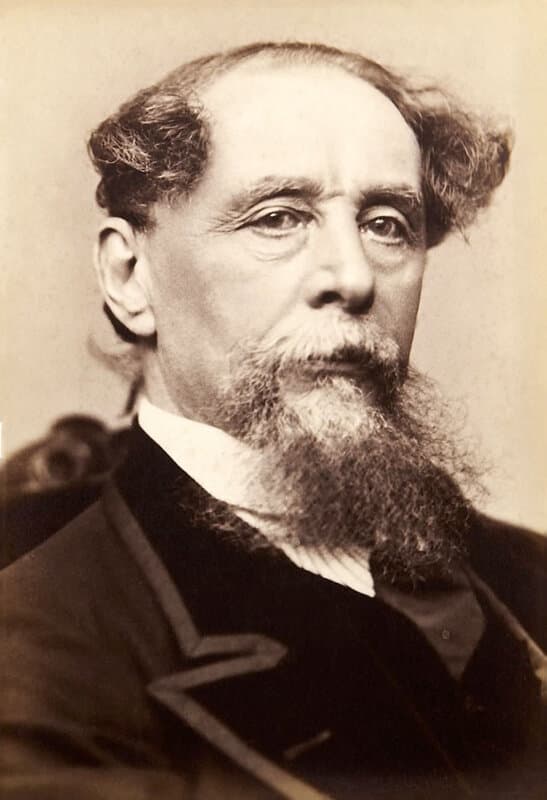
Charles Dickens was born in Portsmouth in 1812 and endured a childhood marked by his father's imprisonment for debt, an experience that fueled his lifelong preoccupation with social injustice. He rose from a clerkship to become the most celebrated novelist of the Victorian era, maintaining a frantic pace of writing, public readings, and social reform activism until his death in 1870. His life was defined by a restless energy that saw him travel extensively through Europe and America, constantly absorbing the sights and sounds of the industrializing world.
On the page
His bibliography includes monumental serial novels such as Bleak House, Great Expectations, and David Copperfield, which masterfully blend biting satire with sentimental melodrama. Dickens populated his narratives with a vast, eccentric gallery of characters, utilizing the serialized format to build intricate, sprawling plots. His work consistently interrogates the failures of the British legal system, the plight of the urban poor, and the moral corruption inherent in Victorian class structures.
In their time
Dickens enjoyed unprecedented popularity during his lifetime, with his monthly installments eagerly anticipated by readers across all social strata. While contemporary critics occasionally faulted his work for excessive sentimentality and caricature, the public embraced his moral vision and comedic genius. He was the first true celebrity author, commanding massive audiences for his dramatic readings in both Britain and the United States.
The afterlife
His influence on the English novel is foundational, establishing the archetype of the socially conscious storyteller who uses fiction as a vehicle for systemic critique. His characters have become permanent fixtures of the cultural lexicon, and his narrative techniques remain the standard for serialized storytelling. Today, he stands as the definitive voice of the Victorian age, with his works subject to endless adaptation, scholarly analysis, and popular re-readings.
Works in the catalogue · 1 entered
Charles Dickens · 1996
Preoccupied with
In conversation with