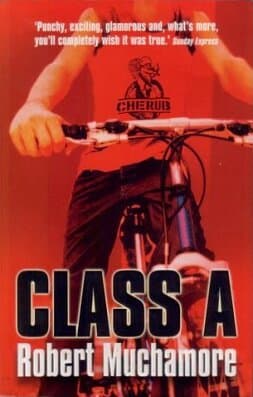
Class A
Paul Fussell · 1983
Books from independent sellers worldwide
See something off? The librarian reads these on Sundays. Wrong cover, wrong details, a duplicate of another entry — let us know and we’ll sort it.
Author file · 04840
1924–2012
On Paul Fussell
A brief life
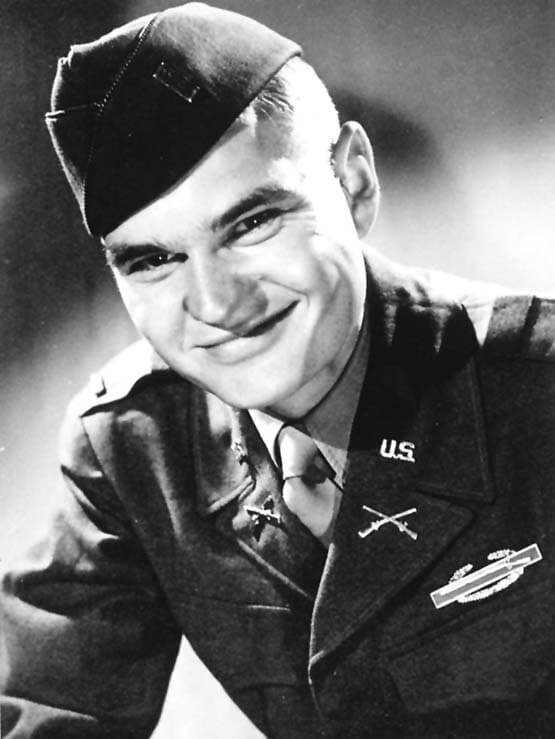
Paul Fussell was born in 1924 in Pasadena, California, and served as an infantry officer in the United States Army during World War II, an experience that fundamentally shaped his intellectual trajectory. After the war, he pursued a distinguished academic career, earning his doctorate from Harvard University and serving for many years as a professor of English literature at Rutgers University and the University of Pennsylvania. He died in 2012, leaving behind a body of work that bridged the gap between rigorous literary criticism and incisive social commentary.
On the page
Fussell is best known for 'The Great War and Modern Memory', a seminal study that examined how the trauma of the First World War transformed the language and consciousness of the twentieth century. His later works, including 'Wartime: Understanding and Behavior in the Second World War' and 'Class: A Guide Through the American Status System', applied his sharp, cynical eye to the mechanics of social hierarchy and the grim realities of modern conflict. His writing is characterized by a relentless pursuit of irony, a disdain for sentimentality, and a deep skepticism toward official narratives.
In their time
His work was met with immediate critical acclaim, winning the National Book Award for 'The Great War and Modern Memory' in 1976. While his scholarly peers admired his erudition, his later forays into social satire and cultural criticism occasionally drew fire for their biting tone and elitist undertones. He remained a polarizing but essential voice in American letters, celebrated for his ability to dismantle the mythologies of the twentieth century.
The afterlife
Fussell remains a foundational figure in the study of war literature and cultural history, cited widely for his methodology in analyzing the intersection of personal experience and public myth. His influence persists in the work of modern cultural critics and historians who seek to dissect the aesthetics of power and the linguistic construction of trauma. His books continue to be standard reading for those interested in the darker, more ironic contours of the modern era.
Works in the catalogue · 1 entered
Paul Fussell · 1983
1 copy on offer
Preoccupied with
In conversation with