no plate
The Romantic Rebellion
raretomes
Books from independent sellers worldwide
See something off? The librarian reads these on Sundays. Wrong cover, wrong details, a duplicate of another entry — let us know and we’ll sort it.
Author file · 00178
1903–1983
On Kenneth Clarke
A brief life
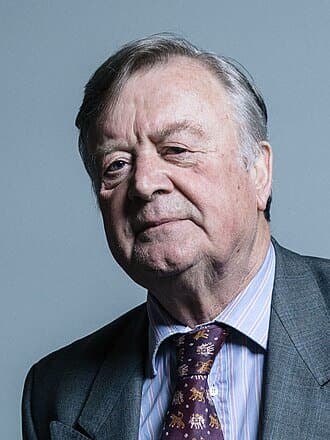
Kenneth Clark was born in 1903 in London and educated at Winchester and Trinity College, Oxford. He served as the youngest director of the National Gallery in London and later became the Chairman of the Arts Council of Great Britain. His life was defined by a commitment to public education in the arts, culminating in his status as a prominent television personality.
On the page
His seminal work, 'Civilisation: A Personal View', remains the definitive synthesis of Western art history for the general reader. He authored numerous monographs on artists including Leonardo da Vinci, Piero della Francesca, and Rembrandt, always emphasizing the intersection of technical mastery and humanistic spirit. His writing style is characterized by an elegant, conversational erudition that bridges the gap between academic rigor and popular accessibility.
In their time
During his lifetime, Clark was a polarizing figure who was simultaneously celebrated as the preeminent voice of art criticism and criticized by younger, more radical art historians for his Eurocentric and elitist framing of history. The 'Civilisation' television series brought him immense international fame, making him a household name in both the United Kingdom and the United States. While his aesthetic judgments were often debated, his ability to communicate complex visual narratives was universally acknowledged.
The afterlife
Clark’s legacy persists in the enduring popularity of his television documentaries and the continued relevance of his art historical surveys. He set the standard for the 'art-as-narrative' genre, influencing generations of curators and writers who seek to make high culture approachable. His works remain essential reading for those interested in the history of Western aesthetics and the role of the critic as a cultural mediator.
Works in the catalogue · 1 entered
In conversation with