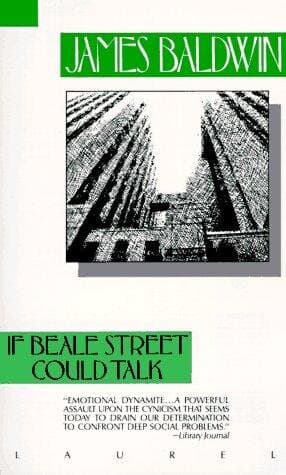
If Beale Street Could Talk
James Baldwin · 1974
Books from independent sellers worldwide
See something off? The librarian reads these on Sundays. Wrong cover, wrong details, a duplicate of another entry — let us know and we’ll sort it.
Author file · 01194
1924–1987
On James Baldwin
A brief life
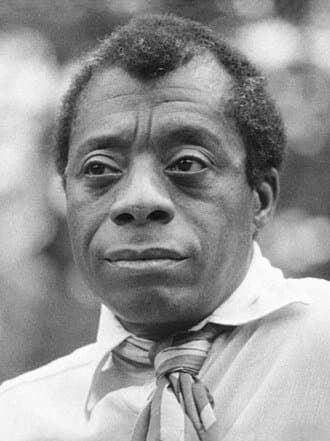
James Baldwin was born in Harlem in 1924 and spent his formative years navigating the precarious intersections of race, religion, and sexuality in New York City. He moved to Paris in 1948 to escape the stifling racial climate of the United States, a period of exile that proved essential to his development as an essayist and novelist. He spent his later years in Saint-Paul-de-Vence, France, where he remained a prolific and provocative voice until his death in 1987.
On the page
Baldwin’s body of work spans searing essays, novels, and plays that interrogate the American identity through the lens of the Black experience. His debut, Go Tell It on the Mountain, draws heavily on his youth in the church, while Giovanni’s Room and Another Country explore the complexities of desire and social alienation. His essays, particularly The Fire Next Time, serve as foundational texts on the moral failure of American racism.
In their time
During his lifetime, Baldwin was a polarizing public intellectual, celebrated by the literary establishment for his prose style while frequently attacked by both white conservatives and Black nationalist critics. His work was widely read and debated in the context of the Civil Rights Movement, though he often felt alienated from the movement's institutional leadership. He received significant critical acclaim, yet his candid explorations of homosexuality often invited censorship and discomfort from mainstream publishers.
The afterlife
Baldwin is now regarded as one of the most important American writers of the twentieth century, with his insights on systemic inequality and human intimacy proving increasingly relevant. His influence permeates contemporary literature, particularly among writers exploring intersectional identity and the legacy of trauma. His archives and posthumous publications continue to inspire new generations of scholars and activists.
Works in the catalogue · 1 entered
Preoccupied with
In conversation with